
They have an unorthodox take on medicine
 Photo: Yan Krukau / Pexels
The Amish’s take on medicine is similar to their take on technology. As such, many Amish families lean on home and herbal remedies and are cautious about some kinds of medical care. Practices vary widely between communities, though: many Amish do visit doctors and hospitals, and vaccination rates differ from one settlement to the next.
They have a very humble take on faith
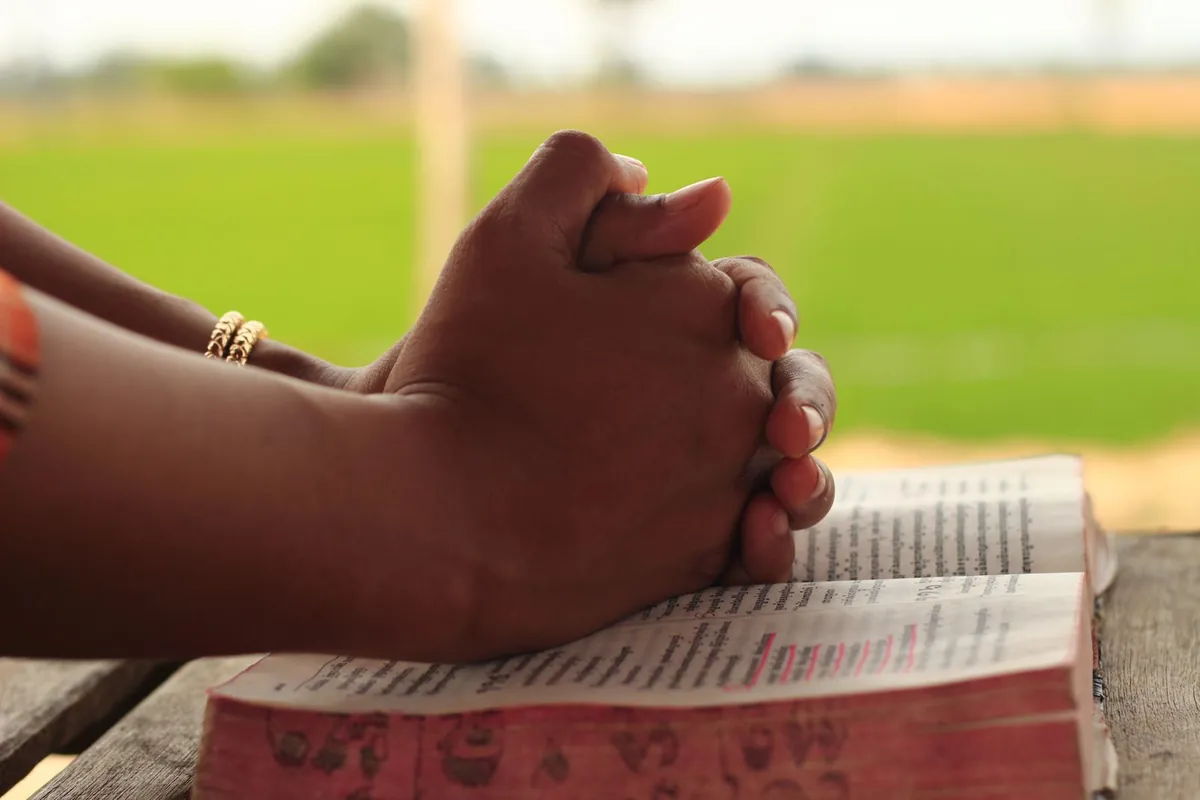 Photo: TEP RO / Pexels
The Amish people believe that if they dedicate their entire selves to prayer and the word of God, they will get into Heaven. So, there are no fancy church buildings; Old Order Amish congregations take turns holding Sunday services in members’ homes. Just them, and their faith in God. Usually most pray by themselves or as a family in their homes.
Their education is very limited
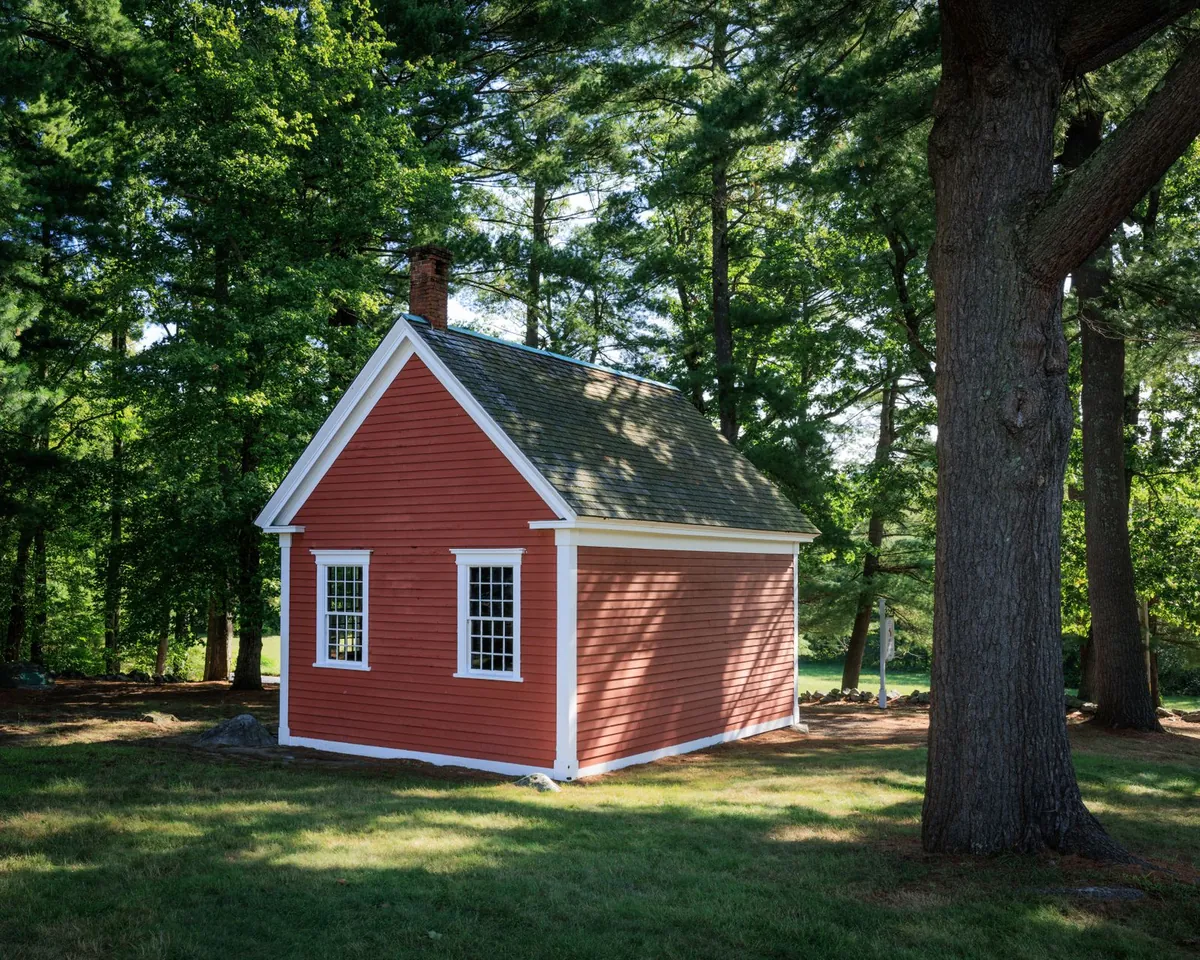 Photo: Phil Evenden / Pexels
The Amish give very basic education to their children. Classes in their one-room schools cover reading, writing, arithmetic and English, along with German and Bible-based values. They only go to school up to 8th grade, a practice the U.S. Supreme Court upheld in Wisconsin v. Yoder (1972). After that, teens learn trades and farming skills at home.
They’re allowed a one-time ticket out of the Amish world: Rumspringa
 Photo: cottonbro studio / Pexels
When an Amish teen reaches the age of about 16, they are given the option of going on Rumspringa (“running around” in English).
Some teens use this period to explore the outside world and try things that are normally forbidden, though many stay close to home. After they are through, the teens can choose to either come back to their communities to be baptized to stay forever within the faith or leave and live in the modern world. Because they were never baptized, those who leave at this stage are not shunned; shunning applies to baptized members who break with the church.
Commercial dog breeding
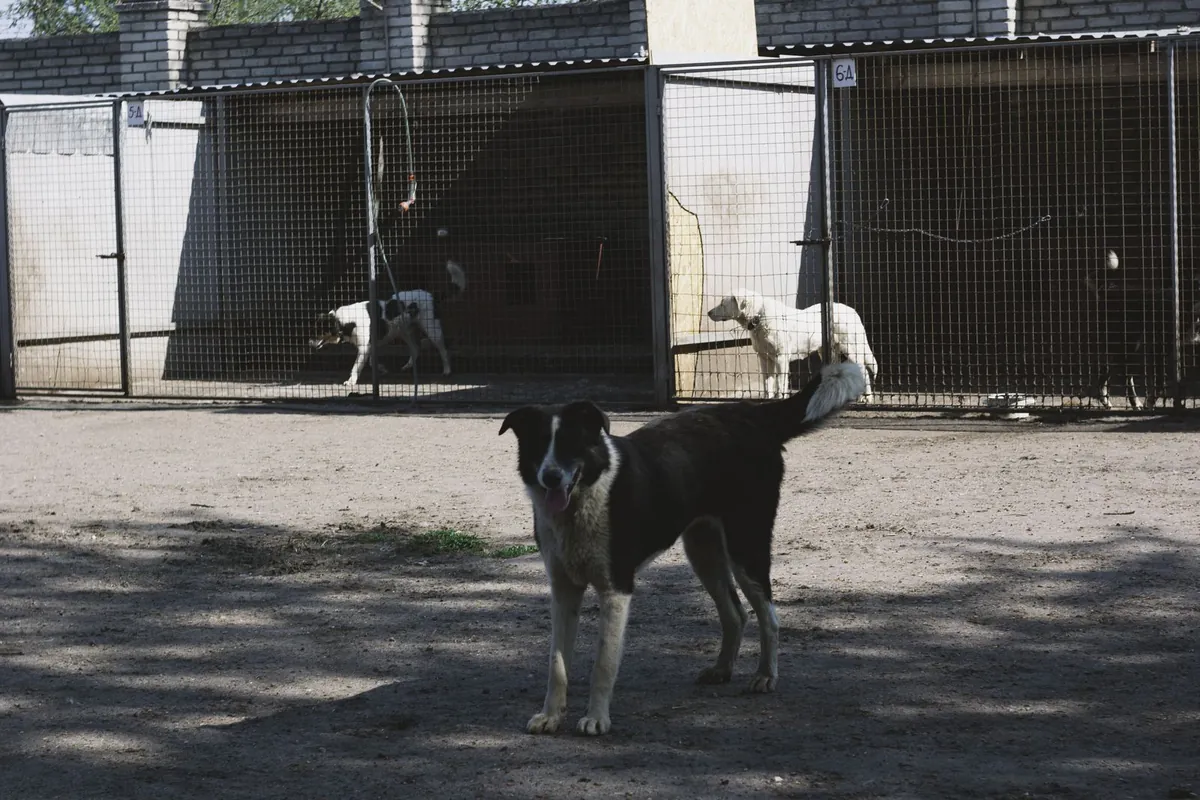 Photo: Plato Terentev / Pexels
Some Amish and Mennonite farmers, especially in parts of Pennsylvania, Ohio and Indiana, run commercial dog-breeding kennels, and animal-welfare groups have criticized some of these operations over the conditions in which dogs are kept. They are run by a minority of families, not by the Amish as a whole, and Pennsylvania tightened its kennel laws in 2008.
Some communities face higher rates of certain genetic disorders
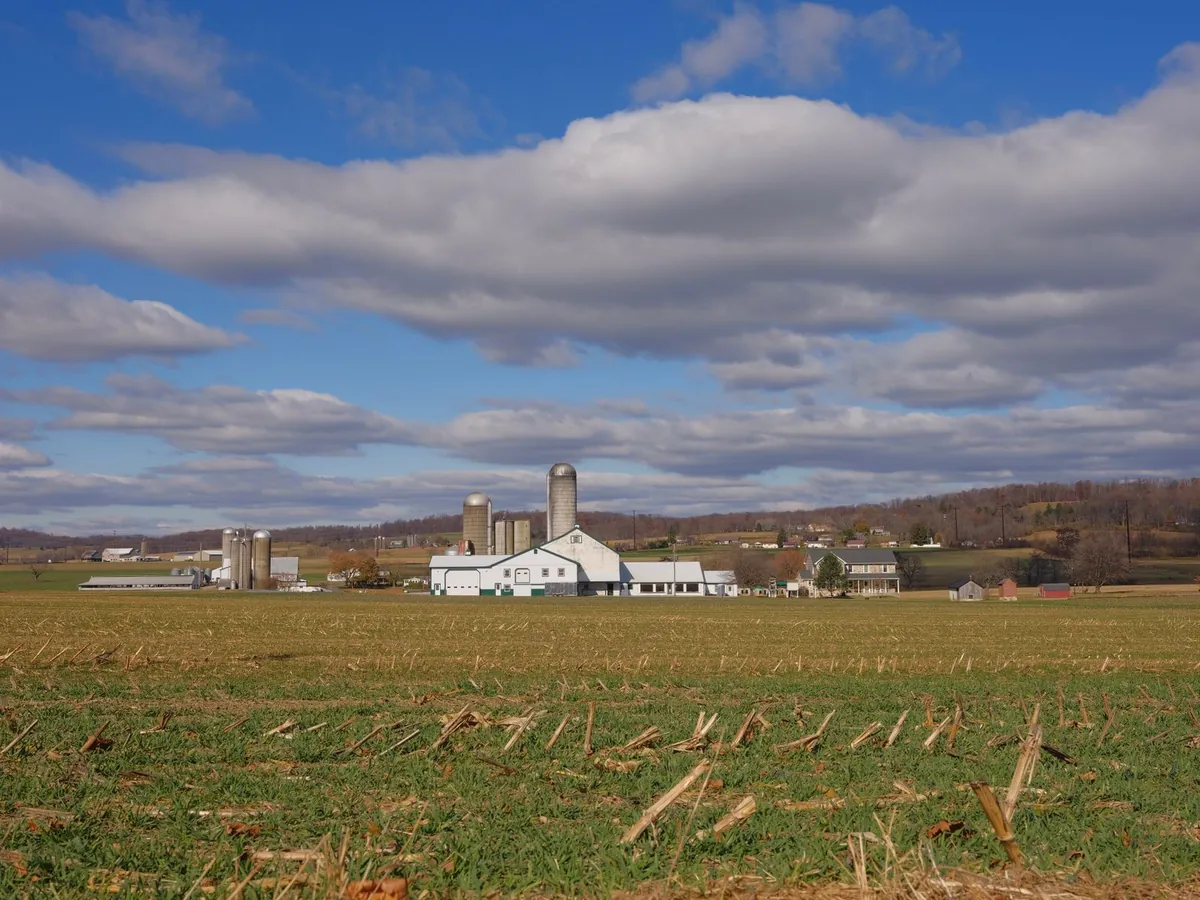 Photo: K6 / Pexels
When the Amish first settled in America in the 18th century, they numbered in the 200s. Today their population is roughly 400,000, according to recent estimates by the Young Center at Elizabethtown College. Because most of today’s Amish descend from a small group of founders and marry within the faith, some communities have higher rates of certain rare inherited disorders, such as Ellis-van Creveld syndrome and glutaric acidemia type 1. Researchers and clinics like the Clinic for Special Children in Strasburg, Pennsylvania, have documented these conditions and work with Amish families to diagnose and treat them.